Floral Foliage Wedding Invitation: Design Your Perfect Suite
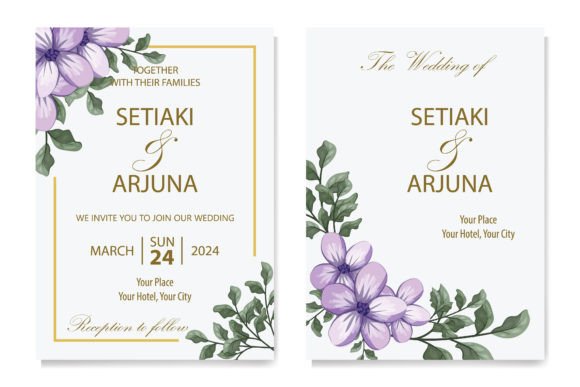
Imagine a guest pulling your invitation from its envelope. Before they even read a single word, they feel something—a sense of romance, of natural beauty, of a celebration steeped in the organic elegance of a blooming garden. This is the power of a beautifully crafted Floral Foliage Wedding Invitation. It’s more than just paper and ink; it’s the first chapter of your love story, told through intricate botanical motifs and lush, verdant details. These designs don’t just announce an event; they set a tone of sophistication, whimsy, and timeless romance.
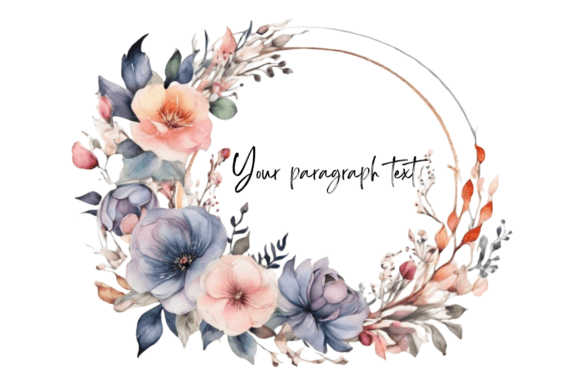
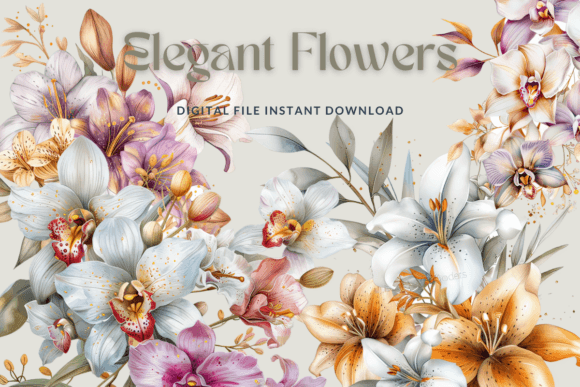
At the heart of this aesthetic are the delicate blooms and blossoms themselves. Think of roses with their layered petals symbolizing deep love, peonies representing prosperity and romance, or lilies signifying purity and devotion. When rendered with fine detail—whether through elegant illustration, watercolor washes, or crisp line art—these flowers cascade gracefully across the invitation, creating a soft, romantic focal point. They immediately communicate the theme and feeling of your wedding, whether it’s a classic garden party, a rustic barn celebration, or a modern minimalist affair.
Beyond the Bloom: Building Texture and Depth
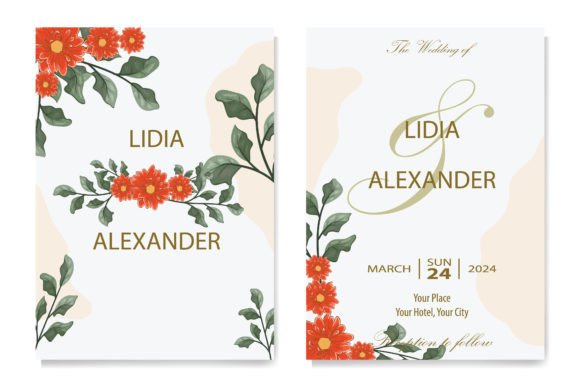
A truly compelling floral design is never just about the flowers. The magic lies in the interplay between the blooms and the lush foliage and greenery that frames and supports them. Eucalyptus leaves, with their muted sage tones and elegant, elongated shapes, provide a modern, textured backdrop. Delicate fern fronds add a touch of wild, woodland whimsy, while trailing ivy vines introduce a sense of movement and timelessness. This greenery does more than fill space; it creates depth, adds contrast, and infuses the entire composition with a sense of vitality and abundance. The rich, organic shapes of the foliage make the invitation feel alive and grounded in nature.
To elevate the design further, botanical accents and flourishes add those final, charming details. Tiny berries clustered on a stem, closed buds about to blossom, or delicate tendrils curling around a corner—these small elements introduce a whimsical, handcrafted quality. They invite the viewer to look closer, discovering new intricacies. This layered approach to ornamentation transforms a simple piece of stationery into a miniature work of art, one that feels personal, thoughtful, and rich with narrative.
Translating Botanical Elegance into Your Brand Identity
While the term “wedding invitation” points to a specific use, the design language of floral foliage is incredibly versatile. For designers, entrepreneurs, and content creators, understanding this aesthetic opens up a world of creative applications. The principles of balance, natural beauty, and intricate detail can be adapted to build a powerful and cohesive visual identity across numerous platforms.
Consider how these motifs can enhance your projects:
- Brand Identity & Logo Design: A refined floral monogram or a subtle foliage border can become the cornerstone of a brand for a boutique, florist, wellness studio, or artisanal product line. It communicates care, quality, and a connection to the natural world.
- Packaging Design: Imagine a skincare box adorned with delicate eucalyptus sprigs or a candle label featuring a single, elegant peony. This ornamentation instantly elevates the perceived value and tells a story before the product is even opened.
- Digital Presence: For websites, blogs, and social media graphics, floral elements can frame content, highlight special announcements, or create a consistent, recognizable visual feed. They soften digital interfaces and add a touch of human warmth.
- Marketing & Print Materials: From business cards and letterheads to posters and event flyers, incorporating botanical motifs ensures your materials stand out with a professional, polished, and memorable aesthetic.
The key is to adapt the density and style of the foliage to the context. A wedding invitation might feature a full, lush border, while a business card could use a single, small sprig as a accent. The goal is visual consistency that reinforces your brand’s personality at every touchpoint.
Practical Guidance for Implementing Floral Design Elements
Integrating this style effectively requires more than just slapping a flower graphic onto a background. Here’s how to approach it with strategy and finesse.
First, choose your style intentionally. Are you drawn to hyper-realistic, detailed illustrations, or do you prefer the soft, ethereal quality of watercolor? Perhaps a crisp, minimalist line art or a vintage botanical print feel more aligned with your vision. The style should match the overall tone of your project—modern, romantic, rustic, or luxurious.
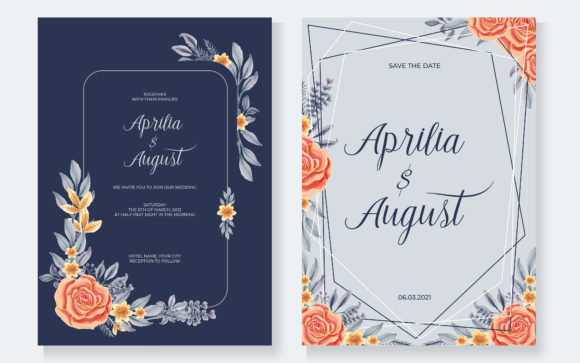
Next, master the art of pairing. The typography you choose to accompany your floral elements is critical. A flowing script font can enhance the romantic feel, but ensure it remains legible, especially for key information. A clean sans serif font offers a beautiful contrast, providing modern clarity against an ornate background. A classic serif font can lend a timeless, editorial quality. Always test your font pairings together with the floral graphics to see how they interact visually. The text should always be the clear focal point for reading, with the foliage serving as a supportive frame.
Readability is non-negotiable. Ensure there is sufficient contrast between your text and the background elements. Sometimes, placing a semi-transparent panel or a soft, solid color behind the text can make the information pop without sacrificing the beauty of the botanical artwork. Pay close attention to spacing and hierarchy; let the most important details (like the names and date) have the most prominence.
Finally, consider the practicalities. If you’re using a pre-designed template or purchasing a premium font or design asset, review the licensing carefully, especially for commercial use. Understand what’s included—many high-quality display fonts come with multiple styles (like bold, italic, condensed) which can greatly increase their utility across different applications, from web design to print materials.
Cultivating a Cohesive Visual Story
Ultimately, the allure of a Floral Foliage Wedding Invitation lies in its ability to tell a story through visual metaphor. It’s about using the timeless language of nature to evoke specific emotions—joy, love, elegance, and celebration. This same principle applies to any creative project. By thoughtfully incorporating these botanical elements, you’re not just decorating; you’re building a brand identity, enhancing audience engagement, and creating a professional presentation that feels both beautiful and deeply intentional. Whether for a personal milestone or a commercial venture, let the natural world inspire designs that are as unique and vibrant as the stories they tell.