Rustic Charm Meets Playful Patterns: Elevate Your Designs
There is a specific aesthetic that stands the test of time: the warmth of handmade textures paired with the cheerful geometry of polka dots. It evokes feelings of nostalgia, comfort, and celebration. For designers, small business owners, and creatives, capturing this specific "look" can be the difference between a project that feels generic and one that truly connects with an audience. This is where high-quality visual assets become indispensable. We are looking at a collection that perfectly balances earthy, organic vibes with playful, structured patterns—a combination that works beautifully for a vast array of creative applications, from wedding stationery to professional branding.
The Versatility of Textured Pattern Graphics
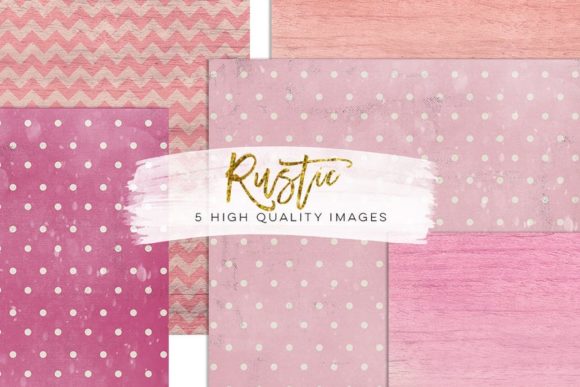
When we talk about Rustic Polkadot Paper, Wedding Clip Art, we are discussing more than just a digital file; we are talking about a foundational design asset. The "rustic" element implies texture, grain, and a handmade quality that digital designs often lack. It brings depth and authenticity. The "polka dot" element introduces rhythm and playfulness. Together, they create a versatile backdrop that can anchor a design without overpowering the content placed on top of it.
For those working in branding and visual communication, these types of graphics are gold. Imagine you are a wedding planner or a boutique stationery designer. You need materials that feel intimate and personal. Using a textured paper background with a subtle, coordinated pattern instantly elevates a simple invitation into a tactile experience, even when viewed on a screen. It signals to the viewer that attention to detail has been paid. This is crucial for building trust and recognition in a crowded marketplace.
Practical Applications for Modern Creatives
The true value of a design asset lies in its utility across different mediums. This particular style of clip art is not limited to one niche; it is a workhorse for various projects. Here is how different professionals can leverage these assets:
- Packaging Design: For small businesses selling physical goods—think artisanal soaps, baked goods, or handmade jewelry—packaging is your silent salesperson. A rustic, patterned background can transform plain labels into premium-looking packaging. It suggests the product inside is crafted with care.
- Social Media Strategy: In the fast-scrolling world of Instagram and Pinterest, stopping the thumb is essential. Textured backgrounds add visual interest to quote graphics, sale announcements, and carousel posts. They prevent your feed from looking flat and sterile, helping to create a cohesive aesthetic that followers recognize instantly.
- Web and Editorial Design: Website headers, blog post featured images, and "About Me" sections benefit greatly from textured overlays. They can soften the harshness of digital screens and make reading long-form content more enjoyable. For editorial design, these assets can break up text-heavy layouts and highlight pull quotes or sidebars.
- Merchandise and Printables: If you are selling digital products like planners, wall art, or stickers, or physical merchandise like tote bags or mugs, these patterns provide a professional finish. They ensure the final product looks high-resolution and intentional, which is key for commercial use.
Enhancing Brand Recognition Through Consistency
One of the biggest challenges for entrepreneurs and content creators is maintaining visual consistency. Using a disparate collection of stock images can make a brand feel disjointed. However, utilizing a cohesive set of assets—like a high-quality clip art collection—allows you to create a unified look across all touchpoints.
When a customer sees your packaging, then visits your website, and finally checks your Instagram, the visual language should feel familiar. By incorporating elements of Rustic Polkadot Paper across these platforms, you are building a visual shorthand for your brand. It helps with brand recognition and makes your business look established and professional. It is not just about decoration; it is about strategic visual communication.
Technical Specifications for Professional Results
For any design work, but especially for print, technical quality cannot be compromised. Pixelated images or low-resolution files can ruin an otherwise excellent design. This is why the specifications of your design assets matter immensely.
Look for assets that offer 300 dpi (dots per inch). This is the standard for professional printing, ensuring that your designs are crisp and clear, whether they are printed on a small business card or a large poster. Furthermore, a generous size like 12" x 12" (3000x3000 px) gives you flexibility. It is large enough for most print applications and can easily be cropped or tiled for web use. Having access to 5 high quality images within a set provides variety, allowing you to switch up your backgrounds while keeping the core aesthetic consistent. Receiving JPEG files without watermarks is, of course, essential for a clean final product.
Integrating Texture into Your Design Workflow
Integrating these types of assets into your workflow is straightforward, but a few tips can help maximize their impact:
- Layering is Key: Don't just slap text on top of the image. Use blend modes (like Multiply or Overlay) in your design software to integrate text and graphics seamlessly with the texture. This creates a more sophisticated, modern typography look.
- Color Coordination: While the base texture is neutral, pay attention to the colors of your other elements. Earthy tones, pastels, and muted colors usually pair best with rustic textures to maintain that cohesive feel.
- Focus on Readability: Because the background has a pattern and texture, ensure your text has enough contrast. You might need a slightly bolder font or a subtle drop shadow to ensure your message is easily readable.
- Commercial Peace of Mind: Always verify the licensing. Knowing you have the right to use the assets for commercial projects—whether for client work or your own merchandise—allows you to design without legal worries. If you have specific questions about usage, reaching out to the creator is always a smart move.
Ultimately, the goal is to create designs that resonate. By incorporating high-quality, thematic elements like textured patterns, you move beyond generic templates and start building a brand experience. Whether you are a hobbyist creating a scrapbook or a marketing professional