Nursery and Wedding Greenery Set: Your Go-To Botanical Design Asset
There’s something universally appealing about the delicate beauty of botanical elements. Whether you’re designing a whimsical baby shower invitation or crafting elegant wedding stationery, the right greenery can transform a simple layout into something truly special. The Nursery and Wedding Greenery Set delivers exactly this kind of versatile, high-quality botanical artistry—a collection that feels both fresh and timeless, ready to adapt to your creative vision.
What Makes This Greenery Collection Stand Out
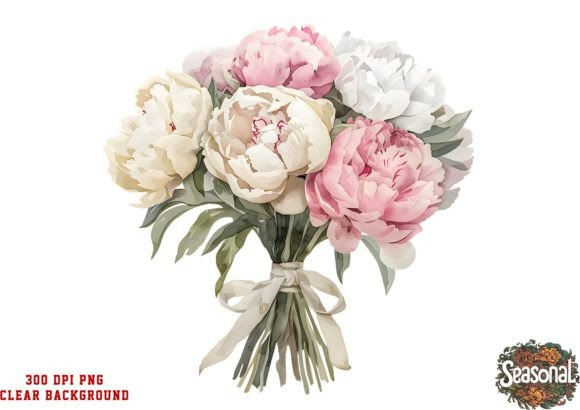
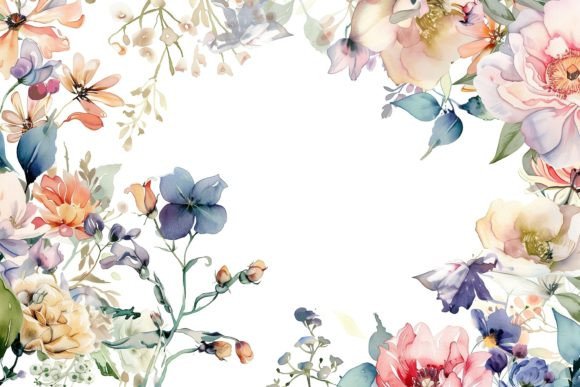
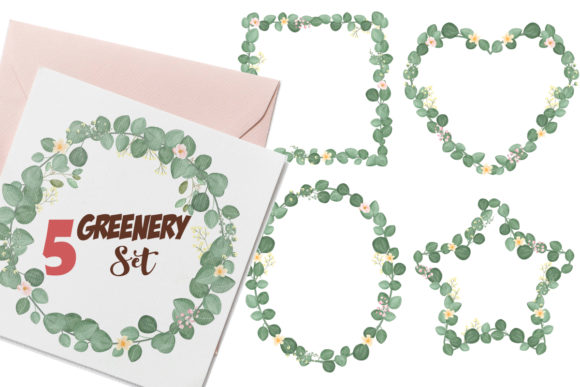
At its core, this set offers five meticulously crafted PNG graphics, each measuring 3600×3600 pixels at 300 dpi. That resolution means you can scale these elements confidently for everything from delicate planner stickers to large-format prints without losing clarity. The botanical illustrations strike a balance between realism and artistic interpretation—think soft eucalyptus sprigs, romantic roses, and whimsical ferns rendered with enough detail to feel authentic but with a gentle hand that keeps them from overwhelming your designs.
What’s particularly valuable is how these elements manage to serve two distinct aesthetics simultaneously. The nursery-appropriate pieces carry that soft, dreamy quality perfect for baby announcements and nursery décor, while the wedding-focused elements bring sophistication and romance. This dual nature makes the collection especially useful for designers who work across different event types or for small business owners who need cohesive branding that can adapt to various client needs.
Practical Applications for Creative Professionals
Let’s talk real-world use. For graphic designers building brand identities, these botanical elements can become signature visual motifs. Imagine a boutique florist using the greenery as subtle watermarks on business cards, or a wedding planner incorporating them into proposal templates and social media graphics. The consistency of having the same artistic style across different touchpoints—website headers, Instagram posts, printed brochures—creates that professional cohesion that clients notice even if they can’t articulate why it feels “put together.”
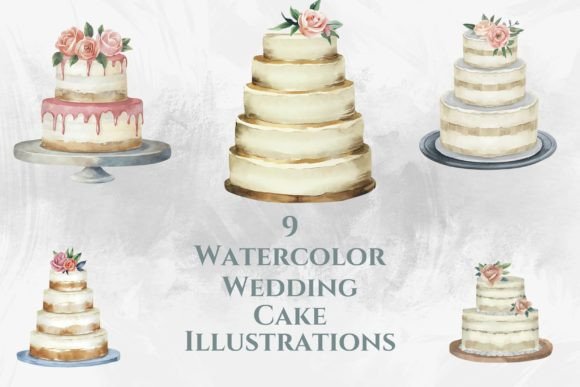
Small business owners in the wedding industry will find particular value here. Cake designers can use these elements to frame menu cards or create branded packaging. Event rental companies might incorporate them into pricing sheets or venue guides. The versatility extends to digital products too—think Etsy sellers creating printable wall art, journal covers, or party decoration kits. With 300 dpi resolution, you’re not limited to screen applications; these files hold up beautifully for fabric printing, letterhead design, and high-quality photo albums.
Building Visual Consistency Across Projects
One of the biggest challenges in design work—whether for personal projects or client work—is maintaining visual harmony. This is where a cohesive asset collection like this becomes invaluable. Instead of hunting for individual elements that “mostly” work together, you start with pieces designed to complement each other. The color palettes coordinate, the illustration styles match, and the overall mood remains consistent whether you’re using one element or several together.
For content creators and bloggers, this consistency translates to stronger brand recognition. Your Pinterest graphics, website banners, and email headers can share the same botanical language, making your content instantly identifiable in crowded feeds. Marketing professionals appreciate how these ready-made assets save production time while maintaining quality—a crucial balance when you’re managing multiple campaigns or client accounts.
Integration Tips for Different Design Contexts
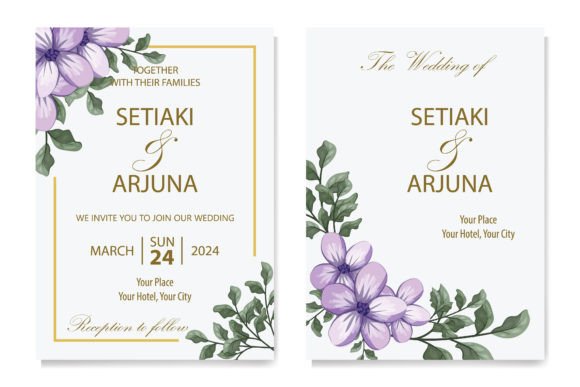
When working with botanical elements, context matters. For nursery themes, consider pairing the greenery with soft pastels and clean sans serif typography. The organic shapes of the leaves and flowers create beautiful negative space around text, making them ideal for invitation layouts where readability is key. For wedding applications, try layering the elements subtly behind serif fonts or elegant script typefaces—this creates depth without competing with your message.
Don’t overlook the commercial possibilities for merchandise and product design. These botanical illustrations could become patterns for tote bags, notebook covers, or textile prints. The high resolution ensures they’ll reproduce crisply on physical products. For digital products, consider using them as decorative frames for social media templates or as subtle background elements for website hero sections. The PNG format with transparent backgrounds makes layering straightforward—you can drop these elements onto any color or pattern without worrying about awkward edges.
Licensing and Practical Considerations
Before incorporating any design asset into commercial work, understanding the licensing terms is essential. Always review what’s permitted—whether for personal projects, client work, or products you sell. This particular collection’s value multiplies when you can use it across multiple projects without additional fees, making it a smart investment for freelancers and agencies alike.
As you explore the files, take time to examine each element individually. Notice how different pieces might work for different applications—the delicate single sprig might be perfect for accenting a logo, while a fuller arrangement could anchor a poster design. Experiment with scaling, rotating, and combining elements to create custom compositions that feel unique to your project.
The beauty of a well-curated design asset collection lies in its ability to spark creativity while solving practical problems. Whether you’re a hobbyist crafting personal invitations or a professional designer building client brands, having reliable, high-quality botanical elements at your fingertips removes one creative hurdle and lets you focus on what matters most—bringing your vision to life with confidence and style.